
Hoskins Neighborhood Marks a New Chapter in Affordable Homeownership |
A Mecklenburg County investment and the West Side Community Land Trust could help more residents stay rooted in Hoskins as the neighborhood plans its next phase of affordable housing |
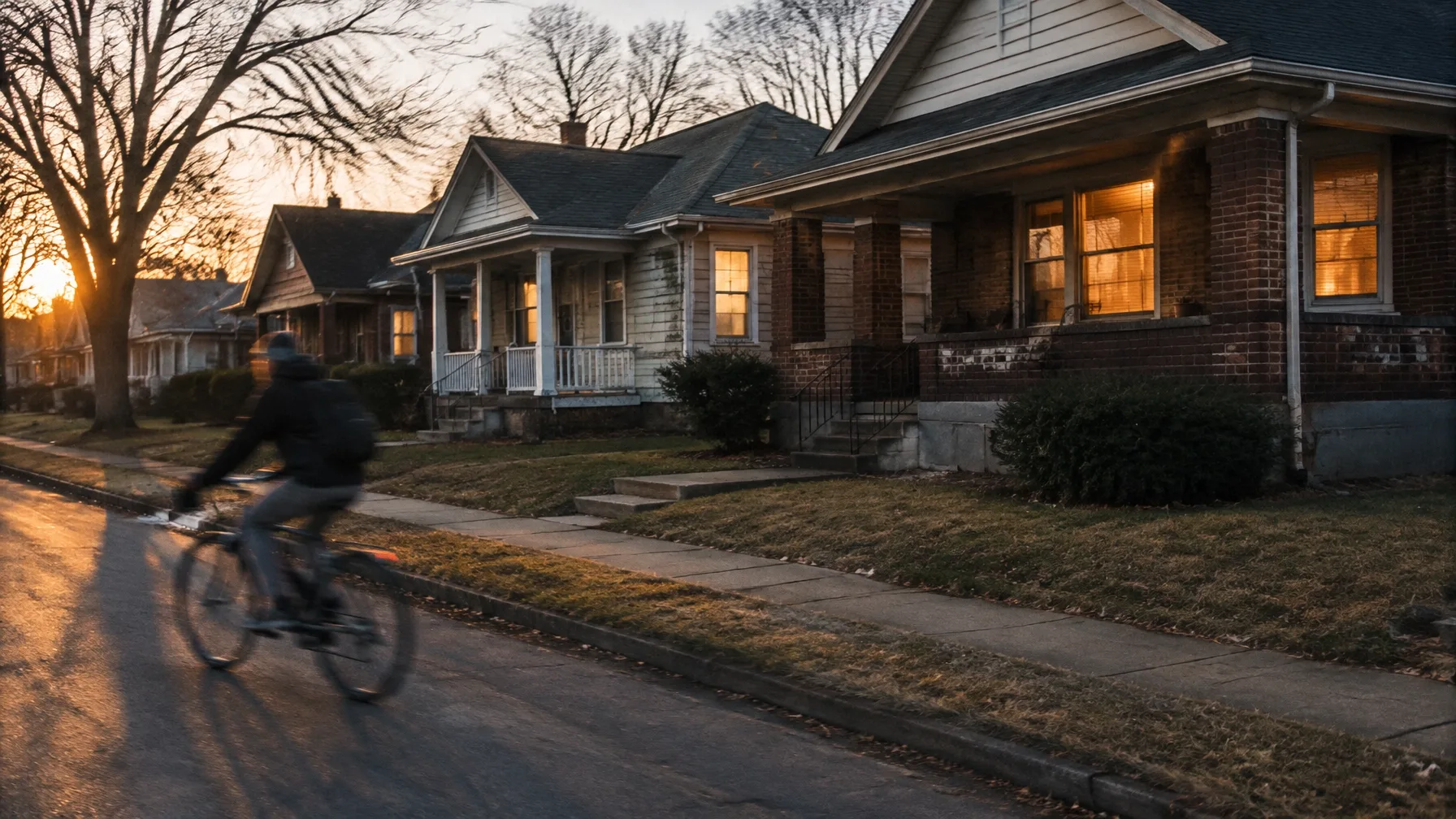
Mecklenburg County announced on Sept. 28, 2026, that the West Side Community Land Trust is expanding its work in the Hoskins neighborhood.
The effort builds on a 2023 Mecklenburg County ARPA investment that helped preserve 32 homes.
Now, the next phase could create roughly 70 homes, including townhomes, modular houses and accessory dwelling units.
This is not a guaranteed final buildout.
It is a planned next step that could give more west Charlotte residents a practical path toward stable, affordable homeownership.
What was announced in Hoskins
Hoskins is entering a new chapter in how housing can be protected and developed in a changing Charlotte neighborhood.
The 2023 investment helped keep 32 homes connected to long-term affordability.
That matters in a city where rising housing costs can make it difficult for longtime residents to remain near family, work, schools and familiar community spaces.
The new announcement focuses on expanding that approach.
The West Side Community Land Trust is working toward a larger neighborhood plan that could bring roughly 70 homes to the area.
The possible homes include townhomes, modular houses and accessory dwelling units, also known as ADUs.
The larger goal is not simply to add housing.
It is to create a structure that helps residents own their homes while protecting affordability over time.
That distinction matters.
New construction alone does not guarantee that a neighborhood will remain accessible to the people who already live there.
The land-trust model adds a layer of community control designed to reduce the risk of homes becoming unaffordable after a sale.
For Hoskins, this could offer an alternative to displacement.
Instead of treating neighborhood change as something that happens only to residents, the land trust model gives the community a role in shaping what comes next. |
 |
How a community land trust actually works
The community land trust model can sound complicated at first, but the basic idea is straightforward.
A resident owns the home, and the trust retains ownership of the land underneath it.
That split allows the resident to build a relationship with the home as an owner while the trust keeps the land tied to an affordability agreement.
The arrangement is designed to help make the home more affordable at the start and preserve that affordability over time.
Here is the simple version.
The homeowner owns the house, and the community land trust owns the land.
The homeowner uses the property as a home, while the trust sets rules that help protect affordability.
If the home is later sold, the agreement can help keep it affordable for another buyer.
This approach can be especially useful for households that may be able to manage a home payment but cannot compete with higher offers in the traditional market.
It also changes the usual idea of home appreciation.
In a standard sale, a homeowner may try to capture as much value as possible from rising prices.
In a community land trust, some of that value remains connected to the home so the next buyer can also afford it.
That does not mean a homeowner receives no benefit.
Residents can build equity and gain the stability that comes with owning a home.
The difference is that the land trust model balances individual ownership with a broader affordability goal.
For homeowners, the key takeaway is this: a community land trust is not the same as renting, and it is not the same as buying a home on the open market.
It is a shared model that combines personal ownership with community stewardship.
What the next phase could look like
The next phase in Hoskins could add a mix of housing types instead of relying on one design.
That could include townhomes for households that want more space and a traditional ownership setup.
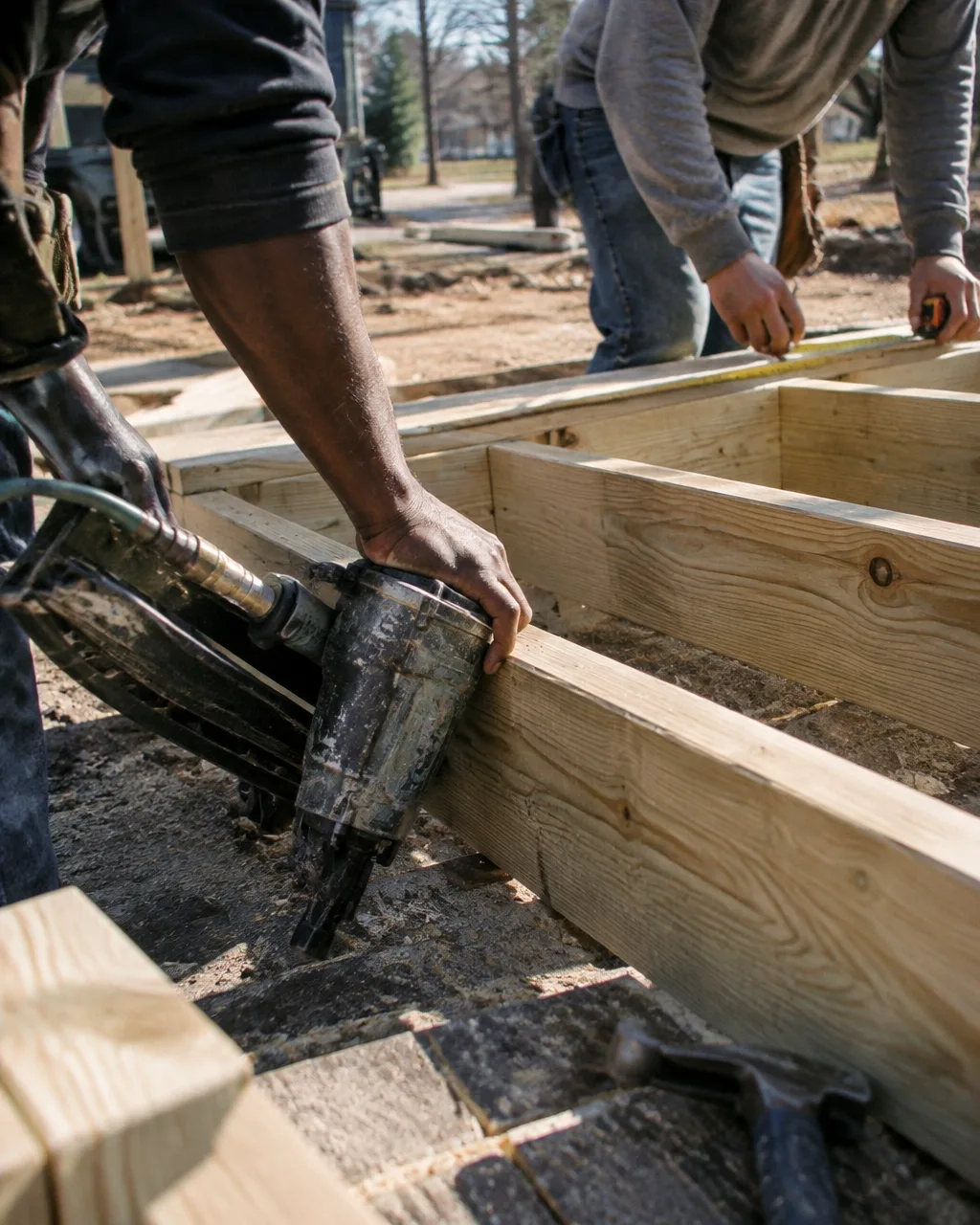
It could include modular houses, which are built using a construction process that can support efficient delivery and consistent design.
The plan could also include accessory dwelling units, or ADUs, which are smaller, self-contained homes located on the same property as a primary home.
ADUs can serve several purposes.
They may offer space for relatives, provide a smaller home option or create another way to add housing without changing the basic feel of a neighborhood.
The mix matters because affordable housing is not one-size-fits-all.
A household looking for a smaller home may have different needs than a family that wants multiple bedrooms.
A resident planning to age in place may also value a different layout than a first-time buyer.
The County's announcement presents the roughly 70-home concept as part of a broader neighborhood revitalization strategy.
Still, the language is important, because these homes could be created as the next phase.
The announcement does not make the full buildout a guarantee, and it does not provide a final deadline in the information available.
That means residents, prospective homeowners and nearby property owners should view this as a meaningful development but not as a finished project. |
 |
Why this matters on the west side
Housing pressure is not an abstract issue in west Charlotte.
It affects whether longtime residents can stay close to their communities as new investment arrives.
Hoskins has a distinct place in the west Charlotte story.
For residents familiar with the Beatties Ford Road corridor area and surrounding neighborhoods, the question is not only whether new homes are built.
It is also who gets to live in them and whether those homes remain attainable over time.
The land trust approach addresses that question directly.
By retaining the land, the trust can help keep affordability connected to the property instead of allowing the home to move fully into a speculative market.
That can give future buyers a better chance to find a home at a price connected to community needs.
It can also help reduce the pressure that often follows neighborhood investment.
When land is controlled for community benefit, residents may have more protection from sudden price shifts and displacement.
For small business owners and homeowners across Charlotte, this is worth watching because stable housing supports stable neighborhoods.
Residents who can remain rooted are more likely to maintain local relationships, support nearby businesses and participate in the future of their community.
This does not solve every housing challenge.
It does not guarantee that every resident will become a homeowner, and it does not mean every proposed home will be built.
But it does show how public investment and community-led development can work together on a local housing problem. |
 |
What residents should watch next
The next useful details will be practical ones.
Residents and prospective buyers will want to know how homes will be offered, what eligibility rules may apply, how the land-lease structure will work and when more information becomes available.
Those details are important because the land trust model has its own agreements and responsibilities.
For now, the clearest point is that Hoskins is moving from preservation toward a possible expansion of affordable homeownership.
Anyone following the story should look for updates from Mecklenburg County and the West Side Community Land Trust.
The official announcement is the best place to start, especially because plans can change as design, financing and community input develop.
The Queen City Scoop will also keep an eye on housing stories that affect Charlotte homeowners, renters and small business owners.
You can browse more local coverage in our Charlotte articles archive.
The takeaway
Hoskins is showing what an alternative to displacement can look like.
A 2023 Mecklenburg County ARPA investment helped preserve 32 homes.
The next phase could create roughly 70 more homes through a mix of townhomes, modular houses and ADUs.
The community land trust model is the central piece, because residents own their homes while the trust retains the land and helps protect affordability over time.
It is an encouraging step for west Charlotte, but it is still a next phase and not a guaranteed final result.
The most important question now is how the plan develops and how residents can participate in the future of their neighborhood.
Stay informed about Hoskins housing updates
If you live in Hoskins, are considering homeownership in west Charlotte or simply want to understand how Charlotte neighborhoods are changing, follow updates from Mecklenburg County and the West Side Community Land Trust.
Read the official Mecklenburg County announcement for the latest information.
You can also learn more about the West Side Community Land Trust and its community-centered housing work.
|
0 Comments
Join the conversation
Be the first to comment
Share your thoughts above.