
How Upcycle Arts Is Giving Charlotte’s Creative Materials a Second Life |
The East Charlotte nonprofit turns donated art supplies into affordable creative materials — and customer feedback shows why that model resonates. |
Most impact stories begin with a large problem.
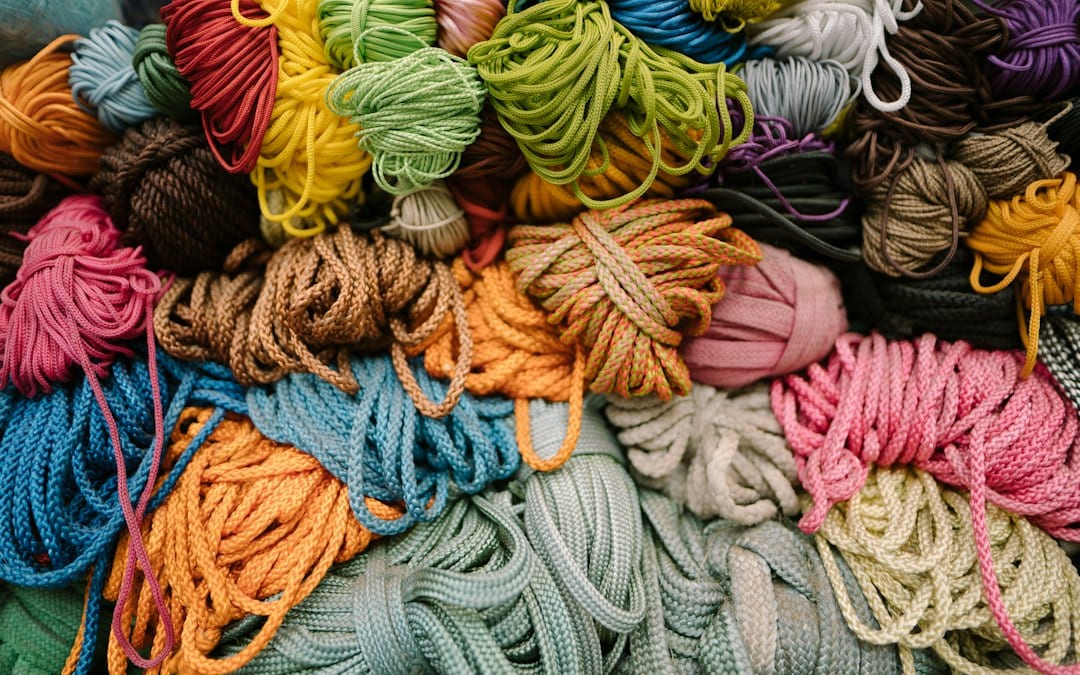
Upcycle Arts begins with a much smaller one: the half-used roll of ribbon, the extra stack of scrapbook paper, the fabric remnants and paint supplies that are still perfectly useful but no longer needed.
Instead of letting those materials sit in closets or end up in the trash, the Charlotte nonprofit gives them another path.
Upcycle Arts describes itself as Charlotte’s first creative reuse center, collecting donated art and craft materials from individuals and businesses and putting them back into circulation through its Eastway Drive shop.
The result is part thrift store, part art-supply shop and part community resource for teachers, artists, parents and people simply curious about making something.
The impact starts with access
For many shoppers, the biggest benefit is not just that materials are reused.
It is that they can buy only what they need without paying for an entire new package.
That point comes through again and again in customer feedback.
People describe walking in for one project and finding affordable fabric, ribbon, yarn, paper, beads, tools and other supplies that would have cost more — or required buying in larger quantities — somewhere else.
The reviews also reveal who benefits most from that model.
Teachers mention classroom projects, parents talk about school assignments and creative activities, experienced makers praise the variety, and beginners appreciate being able to experiment without a large upfront investment.
That makes affordability part of the mission, not just a pricing strategy.
Upcycle Arts says accessibility is one of its core values, and the customer experience helps explain what that looks like in practice. |
Reuse becomes a community habit
Affordability is only one side of the model.
The other is waste reduction.
Every donated spool of thread, box of beads or stack of paper that finds a new user represents material that did not need to be manufactured again or discarded immediately.
That is especially meaningful in arts and crafts, where partially used supplies are common and small leftovers can remain useful for years.
Upcycle Arts turns that leftover material into inventory, creating a system where local residents and businesses can help stock the store by donating what they no longer need.
Customers complete the cycle by taking those materials home and putting them back to work.
The community is not just shopping there; it is helping create the supply chain.
Several reviewers explicitly connected their purchases to reuse and sustainability, describing the shop as a place that makes it easier to thrift materials rather than buy everything new.
Others mentioned donating materials when clearing out craft rooms, reinforcing the two-way nature of the model.
The experience is part of the appeal
Another recurring theme in the reviews is the treasure-hunt feeling.
Customers talk about never knowing exactly what they will find, but often leaving with something useful, unusual or unexpectedly inspiring.
That unpredictability can encourage experimentation.
Someone who comes in looking for ribbon may leave with a new material they have never used before, while a teacher might spot something that becomes the centerpiece of a classroom project.
For a creative reuse center, that sense of discovery is not incidental; it is part of the impact. |
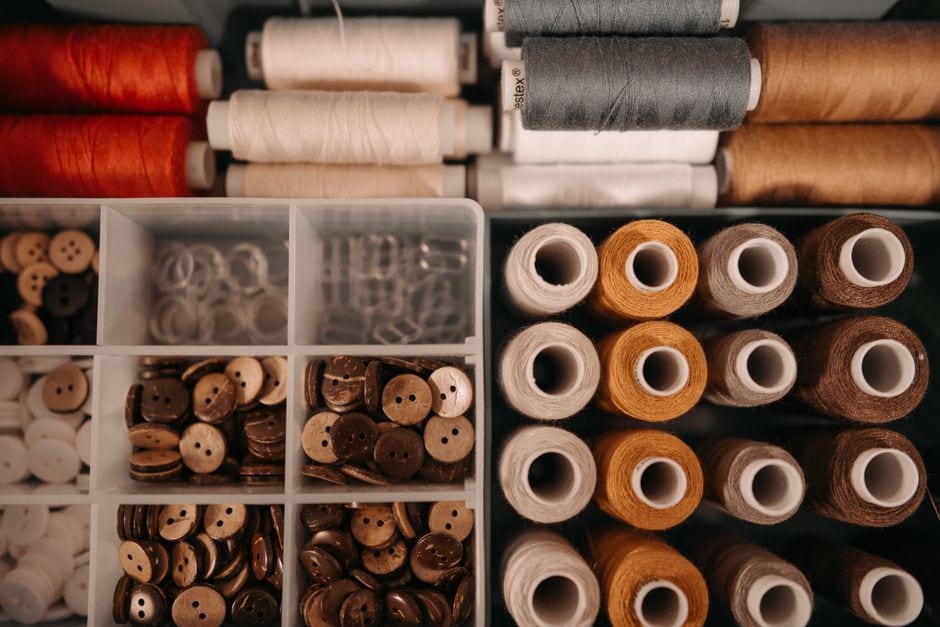 Illustrative photo by Pavel Danilyuk on Pexels |
Customer feedback also points to where the model can improve
The reviews are overwhelmingly positive, but they are not uniformly glowing.
A smaller group of customers raised concerns about inconsistent pricing, the condition of some donated supplies, tight or cluttered aisles and uneven customer-service experiences.
Those criticisms matter because they identify the operational tension inside any donation-driven store.
Inventory arrives in unpredictable condition, pricing has to balance accessibility with the cost of running the organization, and a constantly changing mix of small items can be difficult to organize.
The mission may bring people through the door, but the day-to-day experience determines whether they return.
Some reviewers who criticized pricing or organization still praised the concept itself, suggesting that the value of the model remains clear even when execution falls short.
For an impact organization, that kind of feedback is useful because it shows exactly where mission and customer experience intersect.
More than a resale shop
Upcycle Arts extends beyond its retail shelves through workshops, Make and Take activities, community events and volunteer opportunities.
Those programs turn creative reuse from a shopping behavior into something people can learn and practice together.
They also give local artists and makers another place to teach skills, share ideas and help people experiment without requiring a large upfront investment in supplies.
That combination of reuse, access and participation is what makes Upcycle Arts a strong fit for an impact story.
The organization is not trying to solve Charlotte’s waste problem by itself.
It is demonstrating one small, repeatable way a community can keep useful materials moving longer.
Why the model resonates
The strongest reviews do not read like people praising a normal discount store.
They describe a place that helps them try new hobbies, stretch school-project budgets, find unusual materials and feel better about reusing what already exists.
One reviewer said the store made it easier to avoid buying more material than a small project required.
Another described it as a favorite Charlotte stop for a weekend thrift adventure.
Others traveled from outside the city specifically to visit.
That is a meaningful signal for a small nonprofit built around materials other people once considered leftovers.
Upcycle Arts is located at 3046A Eastway Drive in Charlotte and accepts material donations by appointment.
Its shop and programs give those materials a second life, but the larger impact may be the habit it encourages: before buying new or throwing something away, ask whether somebody else could still create with it. |
How people can support Upcycle Arts
The easiest way to support the organization is simply to shop there.
Every purchase helps keep donated materials moving back into the community instead of toward the landfill.
People can also make a financial contribution, which Upcycle Arts says helps fund its programming and creative reuse work.
Material donations are another direct way to help, although the organization accepts them by appointment and asks donors to review its current list of items it cannot take before dropping anything off.
Volunteers can help sort incoming materials or support events, with regular volunteer opportunities listed throughout the week.
Attending a workshop or community event supports the organization while also putting its mission into practice through hands-on reuse.
Local artists can also propose workshops, and organizations interested in collaborating can submit event inquiries.
That gives supporters several ways to participate: shop, donate money, donate materials, volunteer, attend a program or help teach one. |
0 Comments
Join the conversation
Be the first to comment
Share your thoughts above.